 What Is Online Marketing About: How To Get Started Help Tips
Online marketing has changed, expanded and grown exponentially over the years but what is online marketing about? All of a sudden, online marketing has completely changed how businesses operate in today’s competitive digital age. Also, it’s a dynamic space filled with countless opportunities to connect with customers worldwide. So, while the term itself can seem a bit broad, it covers a variety of strategies and tactics. All of which you can use to promote a business, product or service online.
At its core, online marketing is all about using the internet to drive traffic and sales. Specifically, this can include different channels like social media, search engines, email, and content marketing. In reality, each plays a unique role in reaching potential customers. In the long run, these marketing channels can help you build a community around your brand and increase profitability.
Furthermore, the value of digital strategies can’t be overstated. With the majority of consumers starting their buying process with online research, having an online marketing game plan is crucial. Also, it’s not just for big businesses, small startups can equally capitalize on effective online strategies as well. All in an effort to gain competitive advantages and build a loyal customer base.
In general, beginning your journey into online marketing might feel daunting. But, like any great adventure, even small steps will lead you to your goals. Therefore, understanding the main channels and how they can work together gives you a big-picture perspective. Helping you plan and execute successful campaigns.
Steps To Get Started With Online Marketing
The first stepping stone in online marketing is identifying your target audience. Knowing who you’re talking to makes it much easier to tailor your messages effectively. When defining your audience, consider factors like age, gender, location, interests, and purchasing behavior. In effect, it’s about diving into your customers’ minds and walking in their shoes. This will help you to understand what they need and how you can help.
Once you’ve figured out who you’re marketing to, it’s important to set clear marketing goals. These could range from increasing brand awareness, generating leads, or driving more sales. Therefore, setting SMART goals—Specific, Measurable, Achievable, Relevant, and Time-bound—helps in keeping your marketing efforts focused and productive.
First and foremost, a user-friendly website is your virtual storefront and often the first impression customers have of your business. Overall, it should be easy to navigate, visually appealing, and optimized for mobile use. These days, simplicity combined with a touch of elegance goes a long way.
In addition, social media is indispensable in today’s marketing landscape. Thus, setting up accounts on platforms like Facebook, Instagram, or LinkedIn allows you to engage directly with your audience. Plus, each platform has its own vibe and user base. So, it is important think about where your potential customers are most likely to hang out online.
Over time, balancing these steps with patience and persistence builds a strong foundation for your online marketing strategy. Remember, it’s a journey, not a sprint and every small step forward counts.
Types Of Online Marketing
Understanding the variety of online marketing types is key to crafting effective strategies. Each type brings unique benefits and can be tailored to suit your business needs.
Search Engine Optimization (SEO) is often the backbone of online marketing. SEO is all about making your website more visible to search engines like Google. Ultimately, this involves optimizing your site’s content and structure, building backlinks and utilizing keywords that customers are searching for online.
Furthermore, content marketing leverages engaging materials like blogs, videos, and infographics to attract and retain a clearly defined audience. In effect, creating valuable content that resonates with users, encouraging them to connect with your brand.
Additionally, social media marketing involves using platforms like Facebook, Instagram, and LinkedIn to promote your content and engage with followers. Overall, each platform offers different ways to interact, whether it’s through posts, stories, or live streaming. Making it essential to tailor your approach to the platform and audience.
For quick results, Pay-Per-Click (PPC) advertising lets you place ads on search engines or websites and pays a fee each time the ad is clicked. In fact, this method provides immediate visibility and can be a cost-effective way to drive traffic to your site. Especially when combined with other marketing strategies.
Strategically, email marketing remains one of the most direct ways to stay in touch with your audience. Therefore, craft personalized emails that offer value or updates about your services to maintain and nurture relationships with your subscribers.
For most, navigating these types of online marketing might seem overwhelming at first. But, experimenting with different types and adapting based on the results helps in discovering what works best for your brand.
Tools And Platforms To Use
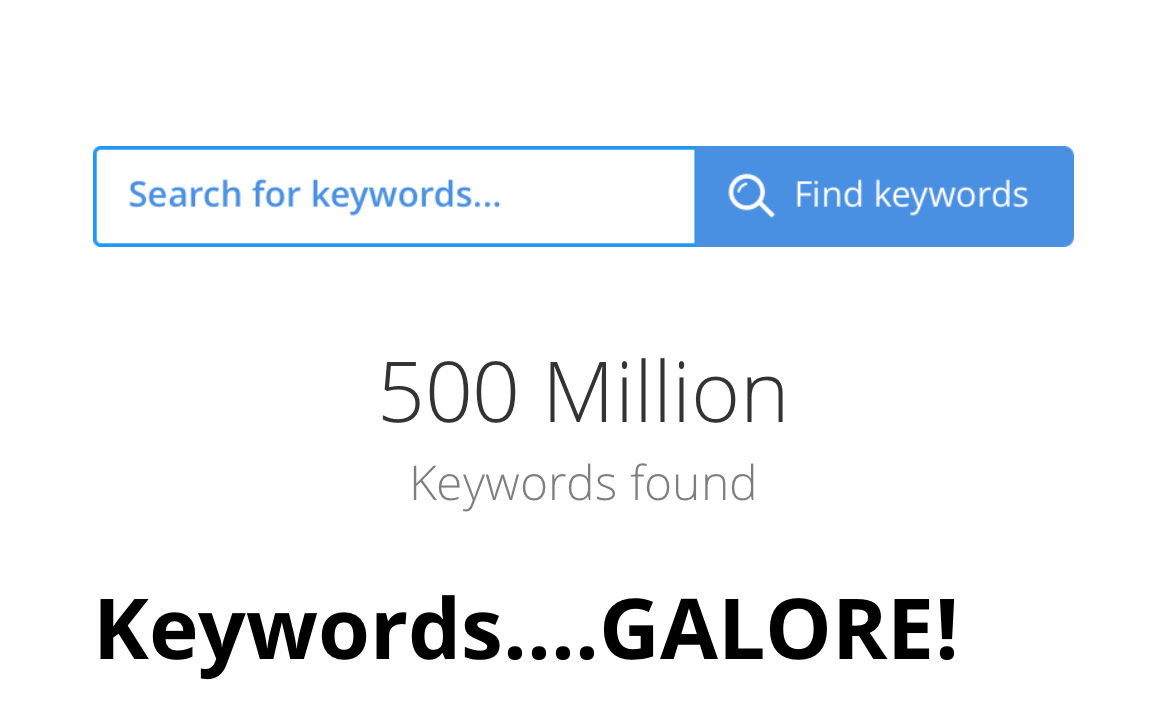
Having the right tools and platforms in your online marketing arsenal can make a massive difference in executing your strategies more efficiently. Therefore, starting with tools like Jaaxy or Diib, can help with keyword research and give you a deep dive into your SEO efforts. Notably, suggesting improvements to boost your search engine rankings and helping you track keyword performance.
Importantly, Google Analytics is indispensable for any online marketer. Overall, it allows you to see how visitors interact with your website, track conversions and understand your audience’s behavior in real time. This data-driven insight helps you to make informed decisions that enhance your overall marketing strategy.
On the creative side, tools like Canva are fantastic for designing eye-catching visuals without needing advanced graphic design skills. Significantly, being able to create quality graphics and content quickly is a huge asset. Especially for social media posts and digital marketing materials.
Furthermore, Customer Relationship Management (CRM) systems are worth exploring, especially for businesses looking to individualize customer interactions. Systems like HubSpot or Salesforce can aid in managing contacts, sales, and your company’s interactions with existing and potential customers. Ultimately, contributing to a more personalized and efficient customer service experience.
Additionally, to stay organized with social media, scheduling tools such as Hootsuite or Buffer can save you tons of time. Allowing you to plan and queue posts in advance. Also, they provide analytics to see which posts hit the mark and which might need a tweak.
Overall, these tools and platforms streamline your marketing processes, making your efforts more targeted and effective. Therefore, experimenting with a combination of these will give you a comprehensive view and control over your marketing efforts. Allowing you to focus more on strategy and less on logistics.
Setting Clear Marketing Goals
Defining clear marketing goals is important for steering your efforts in the right direction. Without concrete goals, it’s easy to lose focus and waste resources. Therefore, your goals should serve as a roadmap, guiding every marketing decision you make.
Then, when it comes to setting effective goals, the SMART criteria is your best friend. Goals that are Specific, Measurable, Achievable, Relevant, and Time-bound give you a precise framework to work within. Ensuring that your objectives are concrete and reachable.
Furthermore, connecting your marketing goals to your broader business objectives is essential. For instance, if your business objective is to increase sales by 20% over the next year, your marketing goal might focus on generating a specific number of qualified leads per month or boosting traffic to your product pages by a certain percentage.
In particular, breaking down big goals into smaller tasks makes them more manageable and also enables you to track progress more efficiently. Also, celebrating small victories along the way keeps the motivation and momentum going.
In reality, as the market evolves, your goals might need some tweaking. So, regularly revisiting and recalibrating your goals ensures they remain aligned with your business needs and the dynamic digital landscape.
Exploring Online Marketing Platforms
Choosing the right online marketing platforms can significantly impact the success of your efforts. Uniquely, each platform has its own audience, strengths, and unique ways to engage users.
Google, for instance, is crucial for search engine marketing and reaching users actively searching for information. With Google Ads, you can position your business right where curious eyes are looking, driving immediate traffic and visibility.
Moreover, Facebook offers comprehensive targeting options, allowing you to zero in on specific demographics. Its tools let you create engaging ad campaigns that can drive conversations and build community around your brand.
Instagram, flourishing with visual storytelling, is ideal for businesses with strong visual elements or those targeting a younger audience. By leveraging Stories and Reels, you can capture their attention with creative content.
For the business market, LinkedIn excels in connecting with professionals and B2B marketing. Therefore, engaging here can establish your authority in your niche while also opening networking opportunities.
Likewise, when selecting platforms, they should align with where your audience spends their time. Conversely, dabbling in all might spread your efforts too thin without much return. So, focus on platforms that genuinely resonate with your business goals and customer interests.
Overall, by experimenting and analyzing performance across different platforms, you gain insights into what’s working and why. Allowing you to refine your marketing strategy over time.
Crafting Engaging Content
Creating content that captivates your audience is vital in online marketing. Therefore, it’s not just about filling up web pages with meaningless content. But, about delivering real value that speaks to your audience’s needs and interests.
Also, high-quality content can take many forms. From detailed blog posts to attention-grabbing videos to informative infographics and more. The key lies in understanding what your audience finds valuable. Then, formatting your content in a way that’s easy for them to consume.
For success, an effective content strategy begins with understanding your audience’s pain points and interests. So, once you’ve got a handle on what they’re curious about, tailor your content to address these needs. All in an effort to provide solutions and insights that establish your brand as a trusted resource.
It’s also important to maintain consistency in style and tone across all your content platforms. Actually, consistency helps in building a recognizable brand voice and keeps your messaging coherent and impactful.
However, don’t shy away from experimenting with different types of content. You might find that video works well for complex topics, whereas infographics simplify data-heavy narratives. Therefore, keep analyzing what resonates most with your audience and adjust your strategy accordingly.
Notably, storytelling is a powerful tool here. By framing your content within stories that echo with your audience’s experiences, you’re more likely to engage them on an emotional level. Thus, boosting both connection and retention.
On balance, content should inspire action, whether it’s prompting readers to share, comment, or contact you for more information. Also, crafting clear calls to action encourages interaction, making your content more engaging and effective.
SEO Basics For Online Marketing
Understanding the fundamentals of Search Engine Optimization (SEO) can make a significant difference in your online visibility. Ultimately, SEO is all about enhancing your website so it ranks higher in search results. Which can lead to more organic traffic.
First, start by conducting keyword research. Then, identify the terms your target audience is using to search for products or services similar to yours. Tools like Jaaxy and Google Keyword Planner can assist in finding the right keywords that align with your business goals.
Once you’ve pinpointed the keywords, the next step is to seamlessly integrate them into your content. This includes your website’s blog posts, product descriptions, and even video content. But remember, keyword stuffing can do more harm than good. Aim for a natural flow that enriches the reader’s experience.
Optimizing on-page elements is another crucial part of SEO. This includes improving meta titles, descriptions and headers to make them more appealing to both search engines and users. Additionally, ensure your website is mobile-friendly and has quick loading times, as these factors influence rankings.
Backlinking, which involves getting other reputable sites to link back to your content, can significantly boost your site’s authority. So, consider reaching out to industry-related blogs or news sites for guest posting opportunities. Building these relationships can lead to valuable backlinks and better search engine rankings.
Importantly, keep in mind that SEO is not a one-time task but an ongoing process. Actually, search engines frequently update their algorithms. Which means staying informed about the latest SEO trends and adjusting your strategies accordingly to maintain or improve your ranking.
Leveraging Analytics And Data
Using data effectively is at the heart of successful online marketing strategies. Plus, analytics provide you with insights that inform decision-making, helping you fine-tune your marketing efforts for better results.
In the world of online marketing, Google Analytics is a powerful tool. It offers a wealth of information about your website’s performance and user behavior. Furthermore, you can track metrics like bounce rates, page views and conversion rates. This data helps you see what’s working and what needs improvement.
For social media, platforms like Facebook and Instagram offer their own in-app analytics that detail engagement metrics. For instance, metrics such as likes, shares, comments and reach. Therefore, by understanding these numbers, you can tailor your content to better meet the needs and preferences of your audience.
Also, one important aspect to keep track of is the source of your traffic. Knowing whether users find you through search engines, social media, or direct visits can help you focus your marketing efforts.
For sustained growth, it’s also important to set up goals within your analytics tools. These could be tracking form submissions, newsletter sign-ups, or online purchases. Ultimately, seeing how users move through your site to complete these goals can reveal potential roadblocks or opportunities for optimization.
In reality, analytics don’t just provide a rear view, they offer a predictive lens too. Therefore, by analyzing trends in your data, you can get a better idea of future consumer behavior and market dynamics. Allowing you to anticipate and prepare for changes.
Adopting a data-informed approach means regularly reviewing your analytics and being ready to pivot your strategies based on the insights gained. After all, the world of online marketing is dynamic and agility supported by data is essential for staying ahead.
Effective Online Marketing Tips For Businesses
Starting your online marketing journey doesn’t have to be overwhelming. Here are some practical tips to ease you into this dynamic arena of online marketing.
First, one of the best ways to kick off your journey is by starting small. Therefore, instead of trying to tackle all platforms and strategies at once, begin with one or two. Then, make sure that they align closely with your business goals and audience interests. This dialed in focus allows you to put the necessary thought and creativity into your campaigns.
Also, being informed is also key. Digital marketing trends shift quickly, so keeping up with industry news is a must. This includes attending webinars and following marketing influencers that can provide fresh insights and inspiration.
For the best results, it’s essential to test different approaches. Overall, A/B testing your campaigns helps determine what resonates best with your audience. Whether it’s different ad copies, images, or calls to action. In particular, this data-driven experimentation is invaluable for optimizing results.
For a less stressful experience, stay organized by planning your content and campaigns in advance. In fact, a well-structured content calendar can help manage your time efficiently and ensure consistency across all channels.
In addition, networking with other marketers can provide valuable learning experiences. So, join online marketing communities or forums to exchange ideas, get feedback and stay motivated.
To reach your potential, avoid common pitfalls like not setting a budget, overlooking mobile optimization or ignoring analytics. Actually, these missteps can impede your progress and dilute the effectiveness of your campaigns.
Lastly, remember that persistence pays off. In fact, every marketing endeavor might not be a runaway success initially. But each step contributes to learning and improvement. So, celebrate your small victories and don’t be deterred by setbacks, they’re part of the process of mastering online marketing.
FAQ: Common Questions About Online Marketing
In this FAQ section, we answer common questions about online marketing to help beginners understand its key concepts, tools, and strategies.
What is the easiest online marketing strategy to start with initially?
Social media marketing is often the easiest and most accessible way for beginners to start promoting their brand.
How much should I budget for online marketing?
It depends on your business size and goals, but small businesses can start with a few hundred dollars per month for ads and tools.
How long does it take to see results from online marketing?
SEO and content marketing may take 3-6 months to show significant results, while PPC and social media ads can provide quicker outcomes.
Do I need a website for online marketing?
Yes, a website is essential as it serves as the central hub for your online presence.
Is online marketing suitable for small businesses?
Absolutely! Online marketing can level the playing field and help small businesses reach their target audience affordably.
What is the difference between online marketing and traditional marketing?
Online marketing uses digital channels like websites, social media, and email to promote a business, while traditional marketing relies on offline methods such as print ads, TV, and radio.
Do I need to hire a professional to do online marketing?
Not necessarily. Many tools and resources are available for beginners, but hiring a professional can speed up results and ensure effective strategies.
What is SEO and why is it important?
SEO (Search Engine Optimization) is the practice of optimizing your website to rank higher on search engines. It increases organic traffic and helps your business be found online.
How often should I post on social media?
The social media posting frequency depends on the platform, but consistency is key. For example, posting 3-5 times per week on Instagram or Facebook works well for most businesses.
Is email marketing still effective?
Yes, email marketing remains one of the most cost-effective ways to engage with your audience and drive conversions.
Can I use online marketing for a local business?
Absolutely! Strategies like Google Business Profile optimization and local SEO are designed to help local businesses attract nearby customers.
What is the role of analytics in online marketing?
Analytics help you measure the success of your campaigns, understand your audience, and make data-driven decisions to improve your strategy.
How do I create engaging content?
Focus on your audience’s interests, use visuals, tell stories, and provide value with actionable tips or entertaining information.
What is the best way to drive traffic to my website?
Use a combination of SEO, content marketing, social media, and paid ads to generate traffic and build a loyal audience.
What is a call-to-action (CTA), and why is it important?
A CTA encourages users to take a specific action, such as signing up for a newsletter or making a purchase. It’s critical for guiding your audience through the customer journey.
Conclusion: Embracing The Journey Of Online Marketing
Online marketing offers endless opportunities to grow and connect with audiences in ways previously unimaginable. Actually, it’s a journey filled with learning, adapting, and thriving in a digital landscape that’s constantly evolving.
Therefore, starting small, setting clear goals, and choosing the right platforms can build a strong foundation. As you measure effectiveness with analytics, remember to remain flexible and open to change, leveraging insights to guide your strategies.
Also, the wealth of tools available provides an advantage, simplifying processes and enhancing creativity. These resources, when paired with engaging content and SEO practices, move your efforts closer to achieving your marketing goals.
Notably, consistent effort and a willingness to learn will serve as your greatest assets. So, the steps you take towards crafting effective online marketing strategies today will pave the way for lasting success.
For additional support, consider tapping into professional communities and educational resources that can offer guidance and inspire new ideas. As you embrace this ever-changing field, each experiment and engagement adds to your expertise. Helping to make you’re always ready to adapt and excel in online marketing.
Let’s Talk: Contact Tim @ MaxAdvantage Media Of Long Island
Ready to transform your online presence and drive business growth? Contact MaxAdvantage Media today and let’s build an Online Marketing strategy that takes your Long Island business to new heights!
Maximize your online visibility, elevate your search engine rankings, and become a local authority in your industry with MaxAdvantage Media’s expertly crafted SEO-driven business services. Contact us today to unlock the full potential of your online presence!
Web Page:
https://maxadvantagemedia.com/services/
Phone:
Email:
Tim@MaxAdvantageMedia.Com